February can be a smart move for buyers in the Jersey Shore real estate market.Advantages for Buyers:✔ Less buyer competition✔ More negotiating power✔ Faster closing timelines✔ Opportunity

Dated: November 9 2024
Views: 14
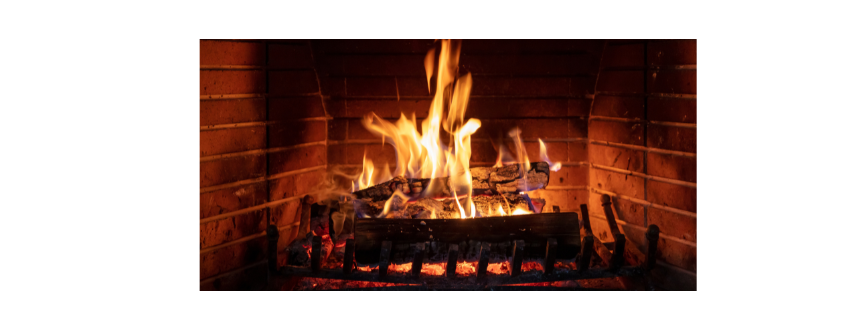
As the crisp autumn air sets in, there's nothing quite like the warmth of a crackling fire to make your home feel cozy and inviting. However, with the increased use of fireplaces and wood stoves during the fall, it's essential to prioritize safety to protect your home and family. Here’s a guide to safely enjoying your fireplace or wood stove this season.
Before lighting your first fire of the season, have a certified chimney sweep inspect and clean your fireplace or wood stove. A professional will remove dangerous creosote buildup, which can cause chimney fires, and check for cracks, blockages, or other damage.
Always burn dry, seasoned wood. Wet or green wood produces more smoke and creates creosote buildup in your chimney. Hardwood like oak or maple is ideal because it burns longer and cleaner than softwood.
Make sure your smoke alarms and carbon monoxide detectors are functioning properly. Test them regularly, and replace batteries as needed. A working detector is your first line of defense against fires and carbon monoxide poisoning.
Before starting a fire, make sure the damper is fully open to allow proper ventilation. Keeping it closed while the fire is burning can lead to a buildup of smoke and harmful gases in your home.
For fireplaces, always use a safety screen to prevent sparks and embers from escaping into the room. A sturdy screen can also keep pets and children from getting too close to the fire.
Ensure that all flammable materials—like rugs, curtains, and furniture—are kept at a safe distance from the fireplace or wood stove. This minimizes the risk of accidental fires.
It's important to always keep an eye on the fire. Before going to bed or leaving the house, make sure the fire is completely out. Never leave a burning fire unattended, as it can quickly become hazardous.
After the fire has died down, allow the ashes to cool for at least 24 hours. Use a metal container with a lid to store the ashes, and place the container outside, away from your home or any combustible materials.
Avoid overfilling your fireplace or wood stove with too much wood at once. A smaller, controlled fire burns more efficiently and is easier to manage.
By following these safety tips, you can enjoy the warmth and ambiance of your fireplace or wood stove without the worry of fire hazards. Taking precautions now ensures that your home remains a cozy, safe retreat throughout the fall and winter months.

Sandra Bator is a Broker Associate with Team Bator at RE/MAX at Barnegat Bay and has been helping buyers and sellers throughout Ocean County, New Jersey since 2003. With over 23 years of experience, S....
February can be a smart move for buyers in the Jersey Shore real estate market.Advantages for Buyers:✔ Less buyer competition✔ More negotiating power✔ Faster closing timelines✔ Opportunity
February can be a smart move for buyers in the Jersey Shore real estate market.Advantages for Buyers:✔ Less buyer competition✔ More negotiating power✔ Faster closing timelines✔ Opportunity
Is February a Smart Time to Buy or Sell a Home in Ocean County, NJ?February is one of the most overlooked opportunities in the Ocean County and Jersey Shore real estate market. While many people
Your Guide to Buying and Selling a Home in Ocean County, NJ and the Jersey ShoreIf you’re thinking about buying or selling a home in Ocean County, New Jersey or along the Jersey Shore,
 All information is believed to be accurate but is not guaranteed. Protected by Copyright© 2026 and is owned either by the Monmouth County Association of REALTORS; or by the developers of the software, Kunversion, LLC. All rights reserved. Each office independently owned and operated.
The New Jersey Real Estate Commission requires every licensed broker or salesperson with whom you list your property to give you a copy of this notice. The purpose is to help you comply with the New Jersey Law
Against Discrimination (the "LAD) and federal laws prohibiting discrimination in the sale or rental of real property.
In New Jersey, it is illegal to discriminate against a prospective or current buyer or tenant because of race, creed, color, national origin, sex, gender identity or expression, marital status, civil union status, or source of lawful income used for mortgage or rental payments. It is also illegal to place any advertisement or make any statements or utterances that express, directly or indirectly, any limitations to offer housing based on any of those characteristics.
Show More...
All information is believed to be accurate but is not guaranteed. Protected by Copyright© 2026 and is owned either by the Monmouth County Association of REALTORS; or by the developers of the software, Kunversion, LLC. All rights reserved. Each office independently owned and operated.
The New Jersey Real Estate Commission requires every licensed broker or salesperson with whom you list your property to give you a copy of this notice. The purpose is to help you comply with the New Jersey Law
Against Discrimination (the "LAD) and federal laws prohibiting discrimination in the sale or rental of real property.
In New Jersey, it is illegal to discriminate against a prospective or current buyer or tenant because of race, creed, color, national origin, sex, gender identity or expression, marital status, civil union status, or source of lawful income used for mortgage or rental payments. It is also illegal to place any advertisement or make any statements or utterances that express, directly or indirectly, any limitations to offer housing based on any of those characteristics.
Show More...
 © BRIGHT, All Rights Reserved
Information Deemed Reliable But Not Guaranteed
The data relating to real estate for sale on this website appears in part through the BRIGHT Internet Data Exchange program, a voluntary cooperative exchange of
property listing data between licensed real estate brokerage firms in which
participates, and is provided by BRIGHT through a licensing agreement.
The information provided by this website is for the personal,
non-commercial use of consumers and may not be used for any purpose other than to identify prospective properties consumers may be interested in purchasing.
Data last updated: September 23, 2026 3:16 PM UTC
Some properties which appear for sale on this website may no longer be available
because they are under contract, have Closed or are no longer being offered for sale.
Some real estate firms do not participate in IDX and their listings do not appear on this website. Some properties listed with participating firms do not appear on this website at the request of the seller.
Show More...
